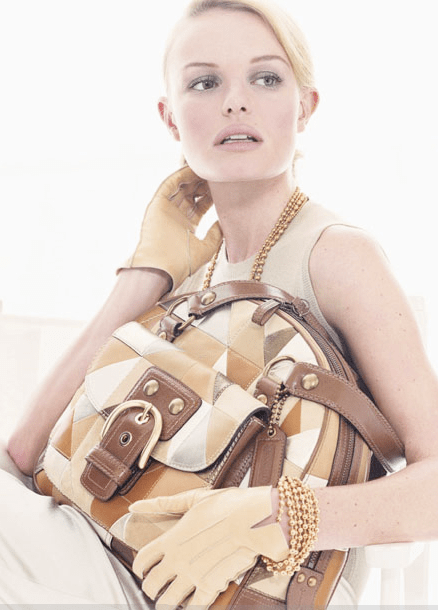
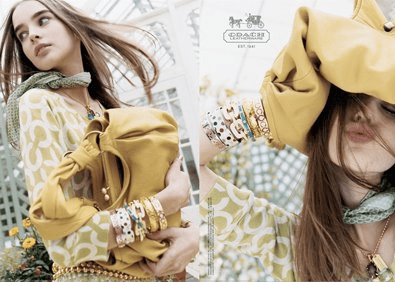
Coach continues to be the envy of many retailers on the block, despite the challenging recession environment. It’s another one of those workhorse case studies that I pull out for study in many business scenarios. The two areas I often highlight: the brand’s strong commitment to consumer research (rather unusual in the fashion luxury world) and its flexible approach to product mix.
Consistently ranked among the most competitive retailers, Coach boasted $3.2 billion in revenue for 2008. Last quarter, the cash-rich company reported net sales totaling $740 million, compared with $745 million a year ago, a decline of about 1 percent—and an earnings drop of 29.3 percent—during the most challenging retail environment in decades.
Direct-to-consumer sales, mostly through Coach’s 400-plus retail and outlet stores, rose 9 percent last quarter to $634 million.
Eighty percent of its products are sold directly to consumers.In Japan, Coach holds a 14 percent share of the imported accessories market, second only to Louis Vuitton.
The company spends $5 million a year in surveys, tracking, and testing.
In 2010, 50 percent of the company’s bags will cost from $200 to $300, compared with 30 percent in 2009.Analysts praise the company’s chameleonlike ability to adapt rapidly. “Management has been thoughtful and strategic in how they approach this period,” said Todd Slater, an analyst at Lazard Capital Markets.

 Born Curious
Recent Comments